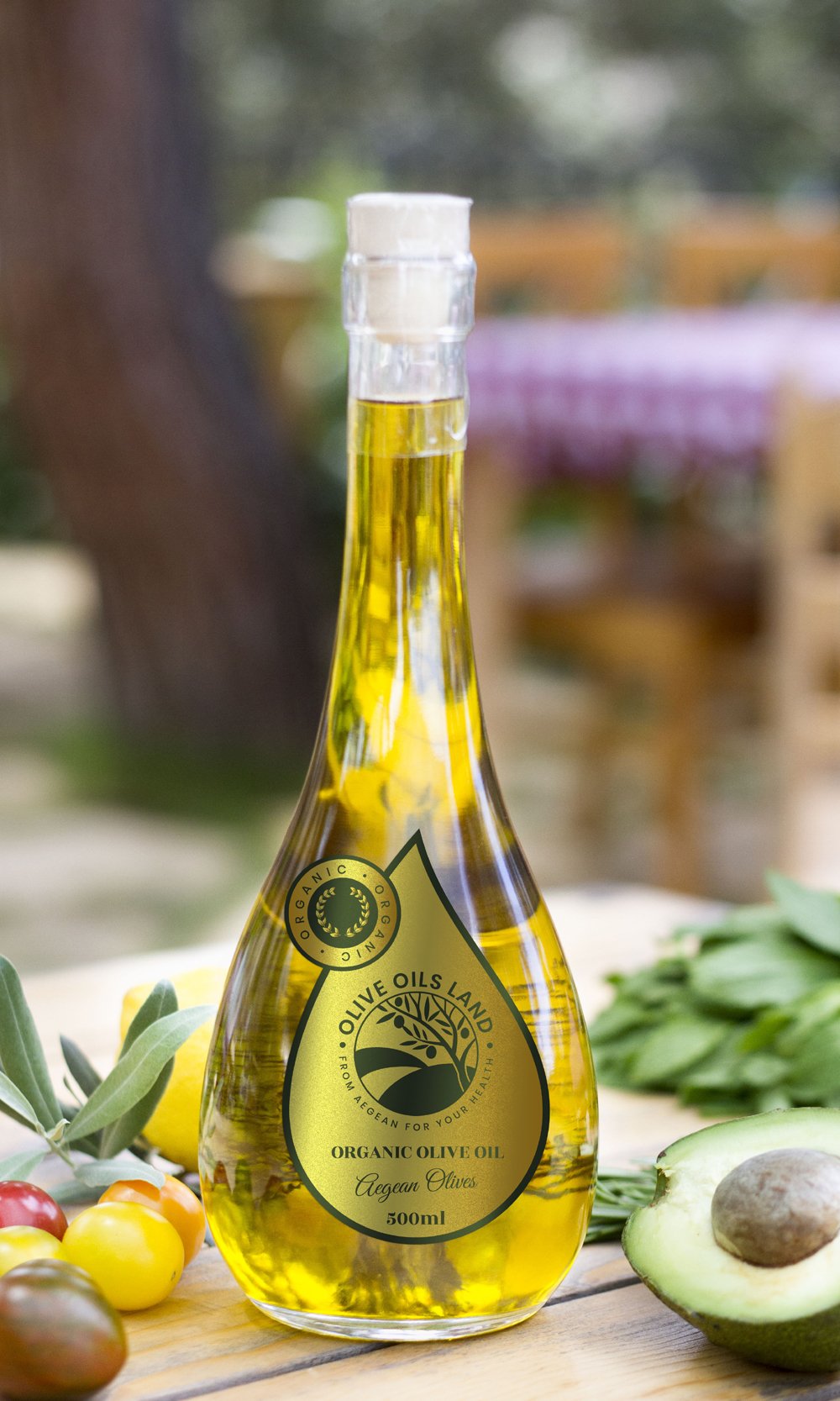
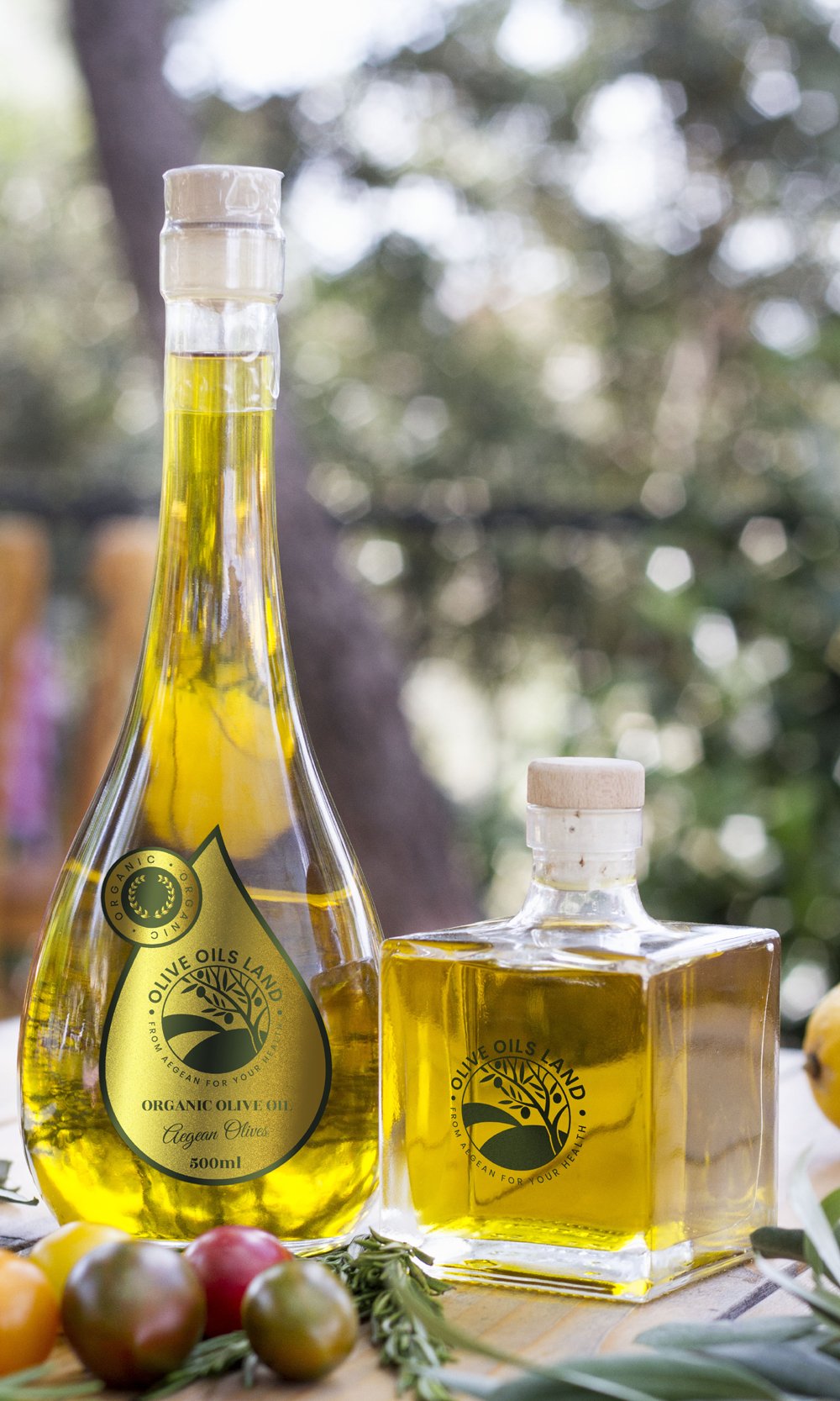
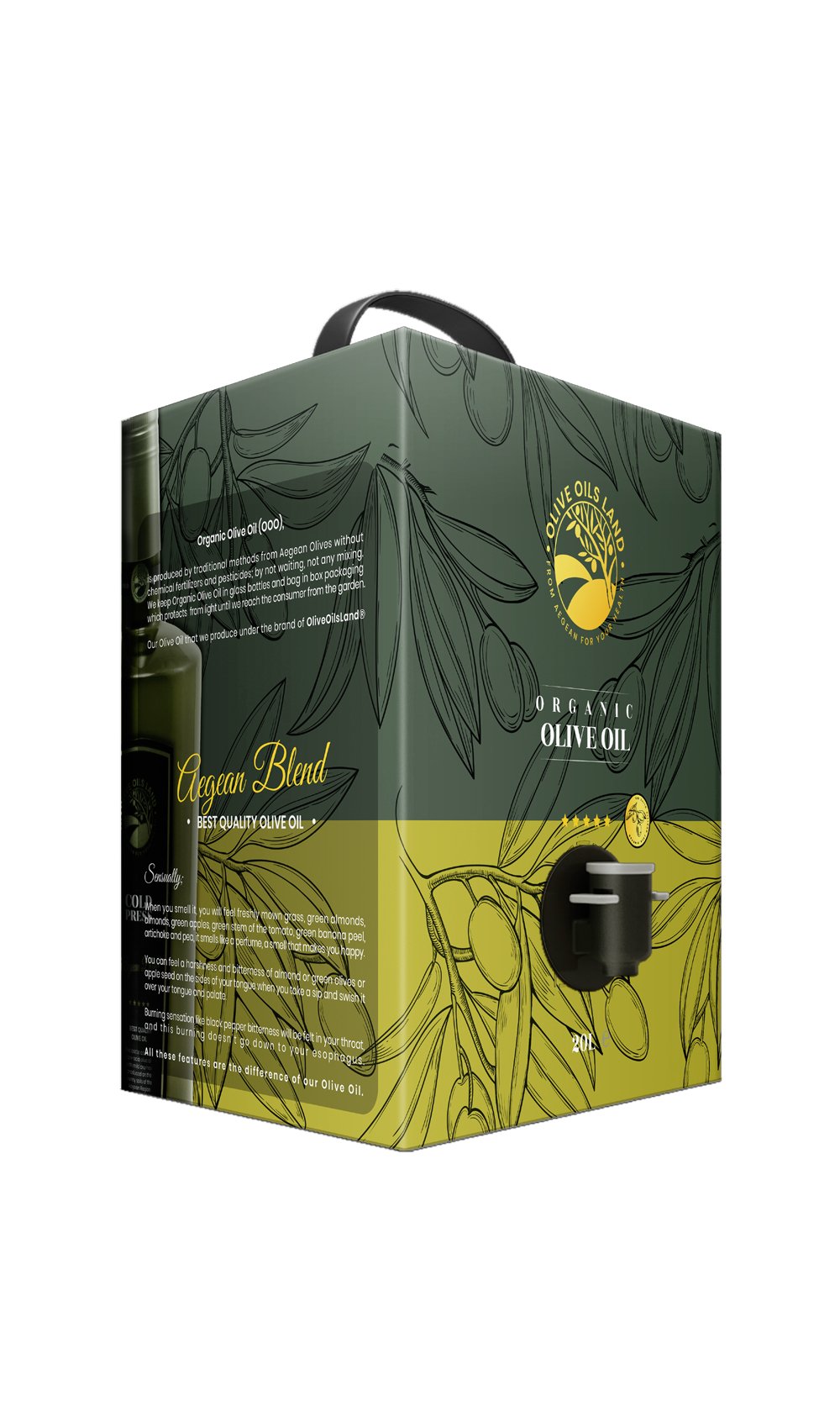
It is produced after a long and laborious process. It is pure olive oil which is crushed in olive stone mills. When we compare the olive oil produced in this way with other olive oils, it can be said that it is richer in terms of the values used in production. Olive Oil does not contain any additives and preservatives, Free fatty acid in Olive Oil up to 0.8%. This is the traditional method of production and the product is extremely natural and healthy.
In contrast to the traditional olive oil production model, the production with a 2-phase decanter and 3-phase decanter is an extremely modern production model.
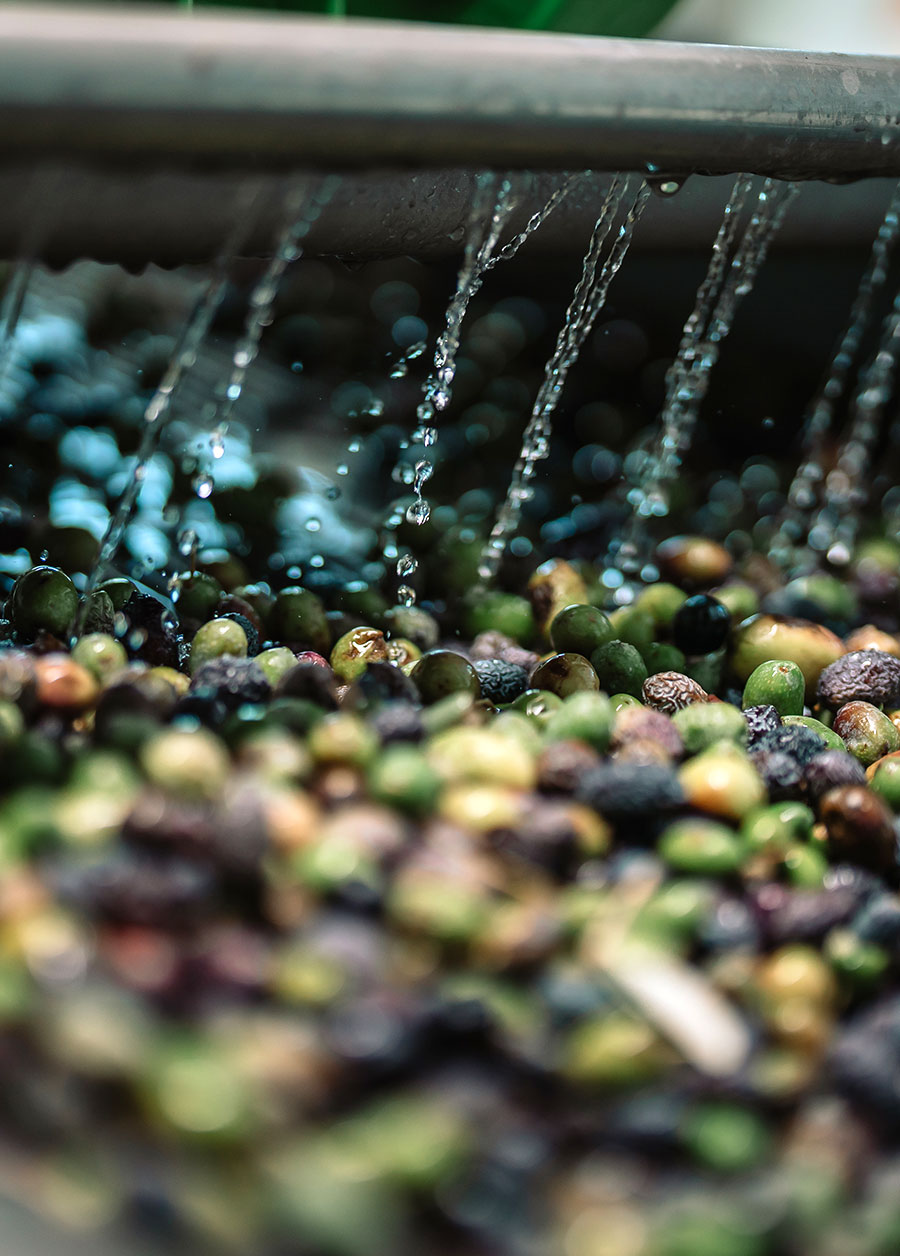
The remaining core, shell and pulp, after the squeezing of the olives, constitute the wastes in the pyrina decanter model. Special organic certified olives are grown using documented organic practices. Through the year, the growing process is audited to make sure that they’re following all best organic practices. Later, the pressing process at the olive oil mill is also reviewed. At harvest time (between October and February), the organic olives are picked and washed with cold water. They are ground into paste and spun in a centrifuge which extracts the oil from the olive mixture. This is known as the “first cold press” of the olives, though it’s actually spun instead of pressed in most modern systems. This process usually occurs within 24 hours from the time the olives are harvested. The Organic Extra Virgin Olive Oil is stored in a large tank, separate from traditional, non-organic olive oils.
Because water is added to the decanter in the 3-phase production system, most of the phenolic compounds pass into the decanter wastewater. However, in the 2-phase production system, most of the phenolic compounds remain in olive oil since there is no water inlet. However, in the production of 2-phase decanter, most of the water-soluble polyphenols, which are natural antioxidants, are formed, thus producing more durable olive oil. We are able to produce in the form of 2-phase decanter and 3-phase decanter in line with the expectations of our customers except traditional production model